Choosing the Best Front Door: uPVC, Timber, or Composite?
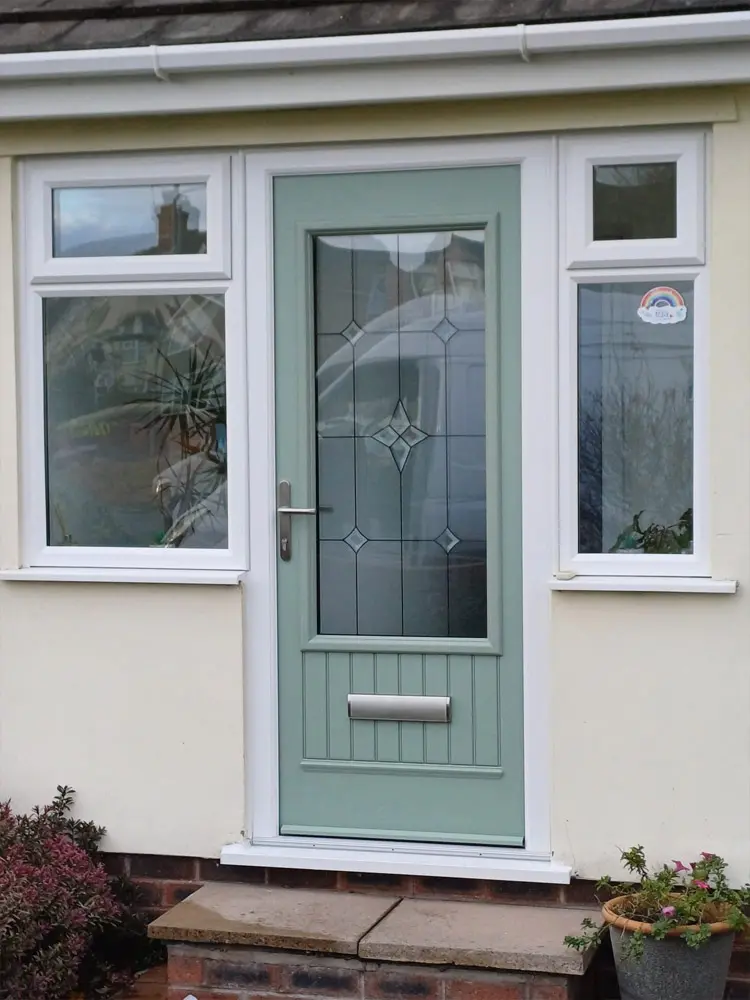
Your front door is more than just an entryway it’s a statement of style, a barrier of security, and a key factor in your home’s energy efficiency. When selecting a front door, homeowners typically choose between uPVC, timber, and composite doors, each with its own strengths and weaknesses. While each material has its merits, composite doors stand out as the superior choice for modern homeowners due to their unmatched durability, versatility, and performance.
uPVC Doors: Affordable but Limited
Overview
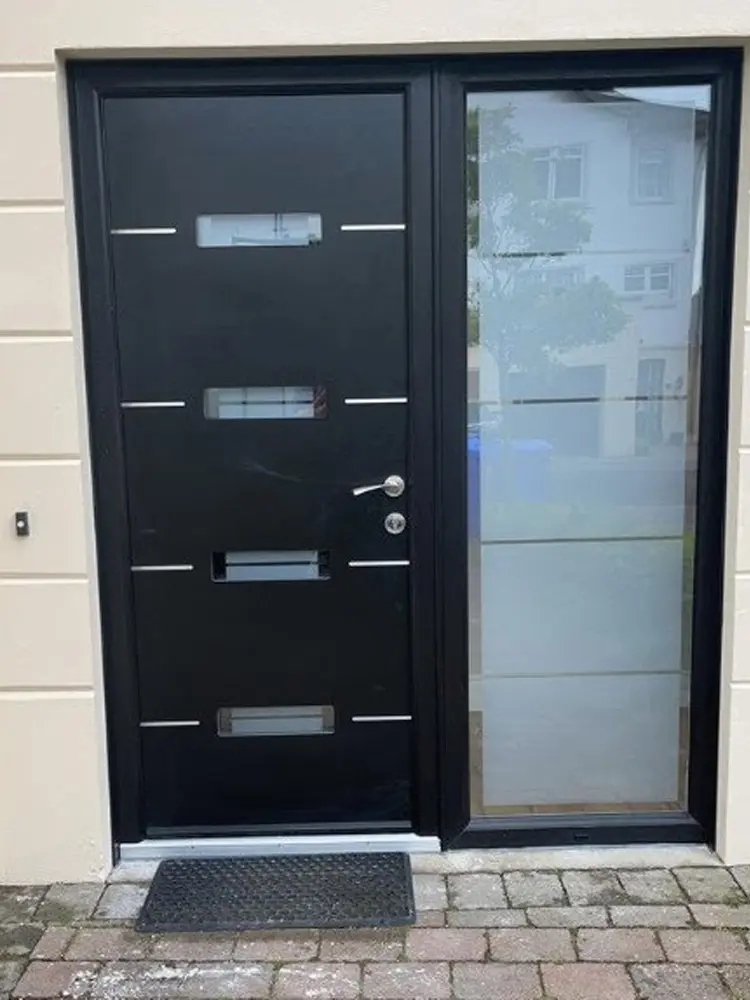
uPVC doors are a popular choice for budget-conscious homeowners. Made from a lightweight, synthetic material, uPVC doors are known for their affordability and low maintenance. They’re widely used for both front and back doors, offering a practical solution for many homes.
Pros
Cost-Effective: uPVC doors are typically the most affordable option, making them accessible for homeowners on a tight budget.
Low Maintenance: Unlike timber, uPVC doesn’t require painting or staining. A simple wipe-down keeps them clean.
Weather Resistance: uPVC is resistant to moisture and won’t rot or warp in wet conditions.
Energy Efficiency: Many uPVC doors feature insulated cores, providing decent thermal performance.
Cons
Limited Aesthetic Appeal: uPVC doors often lack the warmth and character of timber or composite doors. Their plastic appearance can feel less premium, with fewer customisation options.
Durability Concerns: While uPVC is weather-resistant, it can become brittle over time, especially under prolonged UV exposure, leading to fading or cracking.
Security Limitations: uPVC doors are generally less robust than composite or timber doors. Their lightweight construction may not withstand heavy impacts or forced entry attempts as effectively.
Best For
uPVC doors are ideal for homeowners seeking a budget-friendly, low-maintenance option for secondary entrances or properties where aesthetics are less of a priority.
Timber Doors: Classic but High-Maintenance
Overview
Timber doors have been a traditional choice for centuries, prized for their natural beauty and timeless appeal. Made from solid wood or engineered timber, these doors exude warmth and elegance, making them a favourite for period or luxury homes.
Pros
Classic Aesthetic: Timber doors offer a rich, natural look that’s hard to replicate. They can be stained or painted to match any home style.
Customisability: Wood can be crafted into intricate designs, offering a high degree of personalisation.
Good Insulation: Timber naturally provides decent thermal and acoustic insulation, contributing to a comfortable home environment.
Cons
High Maintenance: Timber doors require regular upkeep, including painting, staining, or sealing, to protect against moisture, UV damage, and pests. Neglect can lead to warping, rotting, or cracking.
Costly: High-quality timber doors, especially those made from hardwoods like oak, can be expensive. Ongoing maintenance adds to the lifetime cost.
Security Concerns: While solid timber is strong, older or poorly maintained wooden doors may be vulnerable to forced entry if not reinforced with modern locking systems.
Environmental Impact: Unless sourced from certified sustainable forests (e.g., FSC®-certified timber), timber doors may contribute to deforestation.
Best For
Timber doors suit homeowners who value traditional aesthetics and are willing to invest time and money in regular maintenance. They’re best for heritage properties or those seeking a premium, natural look.
Composite Doors: The Best of Both Worlds
Overview
Composite doors combine multiple materials, such as a solid core, insulation layers, and a Glass Reinforced Plastic (GRP) outer skin, to deliver superior performance. Designed to overcome the limitations of uPVC and timber, composite doors offer the perfect blend of style, durability, and functionality. As highlighted by My Custom Door, their composite doors are engineered for modern living, with features like high-security locking systems and extensive customisation options.
Pros
Unmatched Durability: The multi-layered construction of composite doors makes them incredibly strong and resistant to warping, cracking, or fading. The GRP skin withstands harsh weather and UV exposure, ensuring longevity.
Superior Security: Composite doors feature solid cores and advanced locking systems, such as Yale multi-point locks, this makes them one of the most secure options available.
Exceptional Energy Efficiency: With high-density insulated cores, composite doors minimise heat loss, earning A-ratings from the Energy Saving Trust. They help reduce energy bills and maintain a comfortable indoor climate.
Low Maintenance: Unlike timber, composite doors require minimal upkeep. A quick clean with a damp cloth keeps them looking pristine, with no need for painting or sealing.
Versatile Design: Composite doors offer endless customisation options, from vibrant colours to wood-grain finishes, decorative glass, and premium hardware. Tools like My Custom Door’s Design My Door feature allow homeowners to create a bespoke entrance that matches their home’s style.
Long Lifespan: Composite doors can last up to 35 years, backed by 10-year insurance-backed guarantees, making them a cost-effective investment.
Eco-Friendly Options: Many composite doors use sustainably sourced materials, such as FSC®-certified timber, aligning with environmentally conscious values.
Cons
Higher Initial Cost: Composite doors are more expensive upfront than uPVC doors, although their durability and low maintenance offset this over time.
Fewer Traditional Options: While composite doors can mimic timber’s appearance, purists may still prefer the authentic feel of solid wood for heritage properties.
Best For
Composite doors are ideal for homeowners seeking a balance of style, security, and practicality. They’re perfect for modern or traditional homes, front or back entrances, and those prioritising long-term value.
Conclusion
Choosing the right front door depends on your priorities, but composite doors clearly stand out as the best all-around option. uPVC doors are affordable and low maintenance but lack the durability and aesthetic versatility of composite doors. Timber doors offer timeless elegance but require significant upkeep and may not match the security or efficiency of modern alternatives. Composite doors, as championed by providers like My Custom Door, deliver the perfect combination of style, strength, and sustainability.
Whether you’re upgrading your home’s entrance for curb appeal, security, or energy savings, a composite door is a smart investment. Explore the range of composite doors at My Custom Door here and use their Design My Door tool to create a bespoke entrance that transforms your home. With composite doors, you’re not just choosing a door you’re choosing lasting quality and peace of mind.